Strip the Willow, Fill the Hall: A First-Timer's Ceilidh Blueprint for 2026
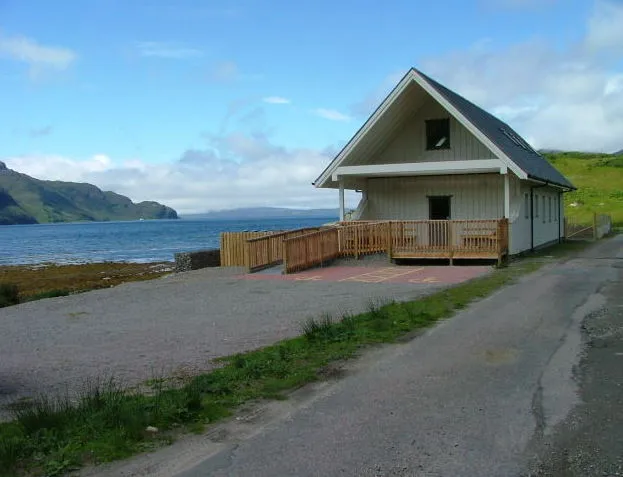
Photo: Dave Fergusson, CC BY-SA 2.0, via Wikimedia Commons
A ceilidh is one of the most forgiving nights you can put on in a hall. You do not need a polished dance floor or a stage full of session musicians. You need a caller who can herd a room with good humour, a band that keeps a steady beat, and enough people willing to hold hands with a stranger for the length of a Strip the Willow. If your hall has been quiet on Saturday nights, a ceilidh in 2026 is a warm, noisy way to change that.
Start With a Caller, Not a Complicated Band
The caller matters more than the line-up. A good caller will explain each dance in plain English, keep the band waiting while latecomers find their places, and rescue a set that has collapsed into giggling chaos. Ask around local folk clubs, community choirs and music teachers before you book a band. A trio of fiddle, accordion and piano is plenty for most halls. If money is tight, a duo with a borrowed accordion and a patient caller can carry the night better than a five-piece who drown out instructions.
When you book, be clear about the room. Tell the caller how many people you expect, whether there is a stage, and whether the floor is wood, lino or a slightly uneven parquet. Ask them to bring a simple sound system if the hall is large. Confirm the finish time and whether they are happy to lead a final easy dance for anyone who has spent the night watching from the side.
Teach Two Dances Before Anyone Has a Drink
The biggest fear for first-timers is looking foolish. Take that fear away early. Ask the caller to run a short welcome session in the first half hour, before the bar gets busy. Teach two dances slowly: something simple in a circle, then a partner dance with a repeated figure. The Gay Gordons or a basic Canadian Barn Dance work well because the moves repeat and nobody has to remember a long sequence.
Do not announce a full dance class. Call it a warm-up. Invite people to watch if they prefer, and make it clear that sitting out is allowed. The wallflowers often join in later once they have seen the same steps three times. Put the dance names and a one-line description on a chalkboard near the door. If you have a projector, show a simple diagram on a loop before the music starts. Keep it light.
Set the Room for Circles, Sets and Shuffling Feet
Clear the floor. That sounds obvious, but chairs stacked around the edge can eat the space you need for a circle of thirty people. Set chairs in a loose ring around the walls, leaving gaps for people to step in and out. Keep a clear route to the bar, the toilets and the fire exit. If your hall has a low stage, use it for the band but not for the caller, who needs to be seen and heard at floor level.
Think about temperature. A full hall dancing in January will heat up fast. Ask someone to crack a window before the first dance and check the room again at the interval. Put water on a table near the door, free or by donation. If you are selling drinks, keep the queue away from the dance floor. A ceilidh needs room to spin, bump and apologise.
Price It for the People Who Might Not Come
Ticket pricing is a balancing act. You want the night to pay for the caller, the band, the hall and the tea. You also want the teenager who has never heard of a Dashing White Sergeant to feel welcome. A simple scale works well: around £8 to £10 for adults, £4 to £5 for under-16s, and free for under-fives. Family tickets at £20 to £25 can fill a table. If you are unsure, run a bring-your-own-bottle night and put the savings into a lower ticket price.
Do not forget the small costs. Teas and biscuits, a cash float, extra loo roll, and a donation to the cleaner. Add a line on the poster saying where the money goes: new curtains, a sound loop, the roof fund. People are more generous when they can see the point.
Make It Repeatable: The Little Things That Turn a Night Into a Tradition
A one-off ceilidh is lovely. A twice-yearly ceilidh becomes part of the local calendar. At the end of the night, ask three questions: what worked, what ran out, and who would help next time. Write the answers in a notebook and keep it with the booking file. Save the caller and band contacts. Photograph the room layout that worked best. Note the dance that got the loudest cheer.
Then pick a date for the next one before everyone leaves. A spring ceilidh and an autumn harvest ceilidh give people something to look forward to without asking too much of the same volunteers. Keep the format simple: same caller, same two warm-up dances, same fair prices. The borrowed accordion can come back. The bunting can stay up for the weekend. And the hall gets another night of noise, tea and slightly chaotic dancing.