A Pot of Tea and a Fair Invoice: Opening Your Hall to Funeral Gatherings
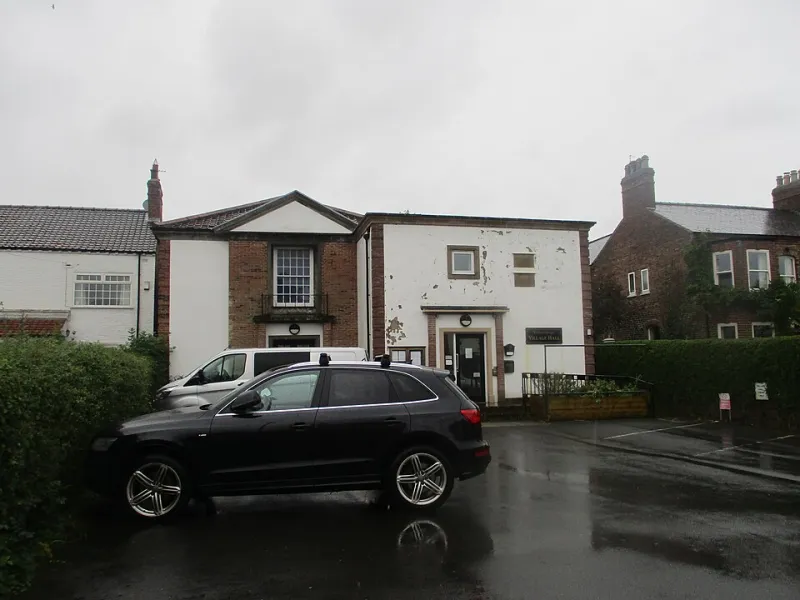
Photo: Mtaylor848, CC BY-SA 4.0, via Wikimedia Commons
There is a particular kind of booking that never appears on the glossy side of the hall calendar. No bunting, no DJ, no three-tier cake. Just a request, usually by phone, on a Tuesday, asking whether the hall might be free on Thursday lunchtime for about sixty people after a service at the crematorium. It is the quietest booking of the year, and in many halls it is also the most quietly important.
Funeral gatherings — wakes, funeral teas, receptions after a service — are a genuine community service. They are also steady, weekday, daytime income at a time when plenty of halls are staring at empty afternoons. The two things are not in conflict. Handled well, they sit together comfortably: a room that serves its neighbours on their hardest day, and a hire fee that helps keep the lights on for everything else.
Why the quietest booking matters
Most halls have a wall of photographs: weddings, panto rehearsals, the summer fete. What they rarely photograph is the afternoon when a family sat in the same room with plates of sandwiches and remembered someone properly. But ask around any village and you will find people who can name the hall where they had their mum's funeral tea. That is a different kind of reputation — less photogenic, more deeply felt.
There is a practical case too. A weekday daytime booking of three or four hours rarely clashes with evening classes, weekend weddings or the quiz night. It uses the building when it would otherwise be cold. And funeral directors talk to each other. A hall that handles these days calmly, answers the phone promptly and sends a clear invoice tends to get recommended again.
Setting the room so it doesn't feel like a party
Round tables of six to eight work better than long trestles. They let people sit with the people they came with and avoid the awful moment of choosing a seat in a line. Keep the layout open at one end, near the door, for the slow arrival of guests from the service.
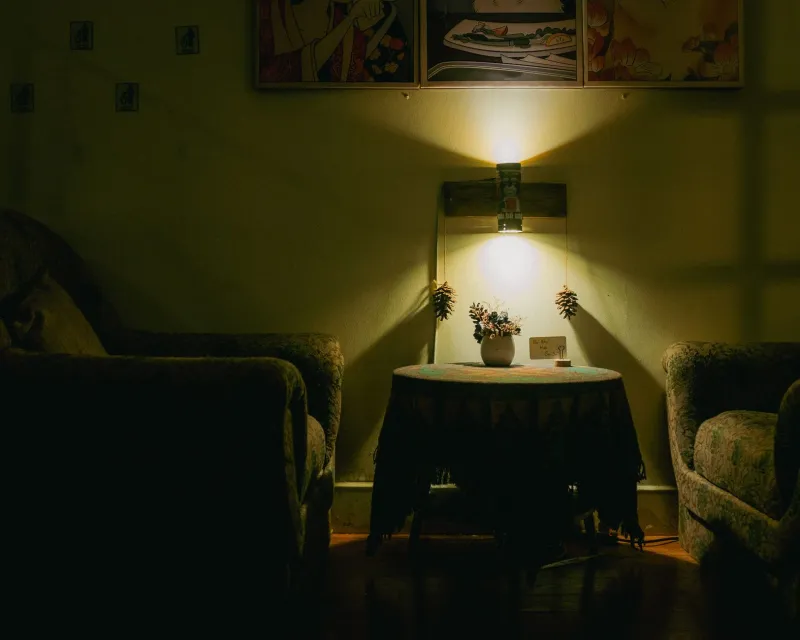
If you have a smaller side room, set it up as a quiet corner — a couple of armchairs, a box of tissues, a jug of water. Families often need five minutes away from well-meaning conversation. If there is no side room, a corner with two chairs and a low table will do.
Put the tea and coffee station where it can be reached without a queue blocking the door. A table for photographs, orders of service or a memory book near the entrance is a gentle touch, but only if the family asks for it. Do not assume. Some families want the focus on the sandwiches; others want to gather round the photos. Ask.
Timings that follow the family, not the clock
A typical pattern looks like this: the hall is ready by 11.30, the service finishes around midday, guests arrive in dribs and drabs from 12.15, the buffet opens at 12.45 and the room empties by 3.30. That is a guide, not a rule. Services run late. Traffic happens. The family may want to go to the graveside first.
Build in more slack than you would for any other booking. A three-hour hire that turns into four because the celebrant ran over is not a crisis if you have left the afternoon clear. Where possible, avoid booking anything immediately afterwards. And resist the temptation to hover with a mop. Let the last guests take their time.
Catering: generous, plain and easy to eat
This is not the place for experimental canapés. Funeral tea food should be easy to hold in one hand, easy to eat while standing, and not too rich. Sandwich platters, sausage rolls, quiche, pork pie, crisps, a fruit platter and a proper cake — Victoria sponge, fruit cake, something with a bit of weight to it. Vegetarian and gluten-free options matter, and should be clearly labelled rather than left to guesswork.
The tea urn is the hero of the day. Keep it topped up, keep a jug of milk and a bowl of sugar nearby, and make sure someone is watching the hot water supply. Coffee from a decent flask or machine is welcome, but tea is the drink most people reach for.
You have three honest options: let the family cater themselves (cheapest, most work for them), bring in an outside caterer (simple for you, more expensive for them), or offer a simple in-house tea at a set price per head. Many halls find the third option the most valued, especially when time is short.
Briefing volunteers for the hardest kind of gentleness
If volunteers are serving or clearing, brief them properly. The rules are simple: be kind, be quiet, and do not ask questions. No 'was it sudden?' No 'how are you bearing up?' A quiet 'let me get you a cup of tea' is enough.
No photographs. No social media. No laughing loudly in the kitchen where it carries. If a guest wants to talk, listen. If a guest wants to be left alone, leave them alone.
It also helps to have one named person in charge for the afternoon — someone who can make a decision about extra chairs or a second urn without consulting a committee. Families should not have to solve the hall's problems on the day.
Privacy, parking and the small things
Keep the car park clear for the family and the funeral cars. If another group is using the hall at the same time, put up a discreet sign and a clear route so guests are not wandering into a pilates class. Keep the bar closed unless the family has specifically asked for it. Put a box of tissues on each table. Check the heating the day before — 18°C is about right, and cold halls are remembered.
A price list with no surprises
This is where halls often lose goodwill. A vague 'we'll sort something out' is not helpful to a family arranging a funeral in five days. Produce a one-page rate card that a funeral director can hand over without explanation. It should include:
- A weekday daytime room hire rate, ideally charged as a single block of three or four hours
- A per-head catering price for a simple tea, with clear minimum numbers
- The cost of any extras — tablecloths, extra urn, use of the kitchen, staff time
- Deposit terms and when the balance is due
- What is included and what is not
Keep it short. Keep it honest. And invoice promptly — funeral directors and families alike are juggling enough paperwork. A clear invoice sent within a week is a small kindness, and it is remembered.
What it gives back
The people who come to a funeral tea may never hire the hall themselves. But their neighbours will. Their children will book it for a birthday. Their friends will remember that the tea was hot, the sandwiches were fresh and nobody made a fuss. That is how a hall becomes part of the fabric of a place, rather than just a building with a calendar. And on a quiet Thursday in November, it is also how the heating gets paid for.