Curtains, Cocoa and a Projector: Turning Your Hall Into a Winter Cinema
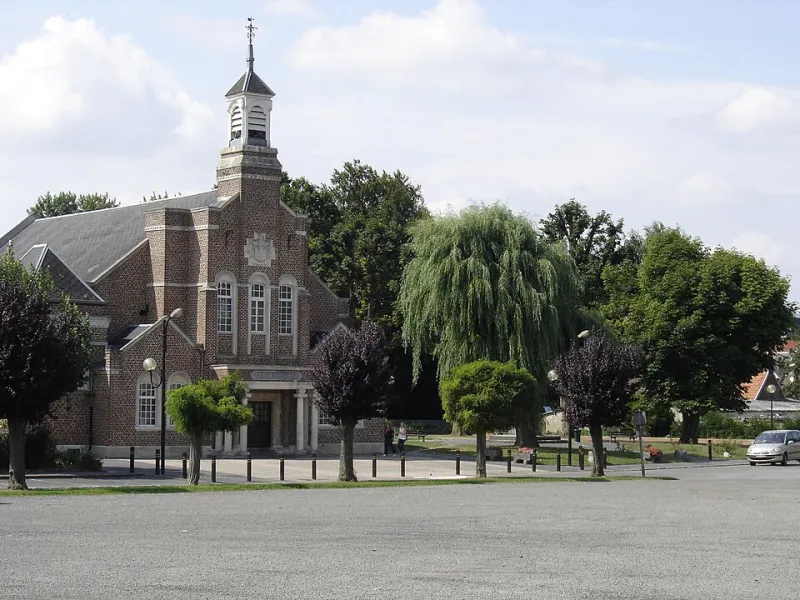
Photo: Unknown, CC BY-SA 3.0, via Wikimedia Commons
There is a particular kind of quiet that settles over a village on a wet Wednesday in late November. The pub is half full, the streetlights come on at half four, and everyone is indoors by six. A pop-up cinema is one of the few things that can pull people back out again.
The appeal for a hall committee is just as straightforward: the equipment is affordable, the risk is low, and you can test the idea on a single night before committing to a run.
Start with the room, not the film
Before you think about what to show, walk the hall at dusk and answer four questions.
- Can you get it properly dark? Look at the small windows, the fire exit signs and the emergency lighting. You need them visible and glowing, but you also need the ambient light low enough that a projected image doesn't wash out. Heavy blackout curtains or removable boards on the smaller panes will do the job — and they don't need to be pretty, only dark.
- Where is the screen going? If you have a stage, that's your natural home. If not, a plain wall at the narrow end of the room works, but check it's flat and pale. A projection screen on a tripod or a pull-down frame is the tidier option and costs less than most people assume.
- Where will the projector sit? Back of the room, on a table, ideally at eye level to the middle of the screen. Test the throw distance before the night — most home projectors need roughly 2.5 to 3 metres for a 2.5-metre-wide image, so measure rather than hope.
- Where is the door in relation to the screen? Nobody wants a blast of cold air and streetlight across the picture every time someone slips out to the loo. If you can, seat the audience so the entrance is behind them.
Projection: what you actually need
A modern 1080p projector with around 3,000 to 3,500 lumens will comfortably fill a screen of about 2.5 to 3 metres in a well-blacked-out hall. More lumens are better if your blackout is imperfect. Set it up on a solid table, not a stack of chairs, and tape the cables down across any walkway — this is the single most common trip hazard at these events.
If your budget stretches to a short-throw model, take it. You can put the projector close to the screen at the front and avoid the shadow of anyone walking through the beam.
Sound matters more than picture, in our experience. The built-in speaker on a projector is fine for a room of fifteen and hopeless for sixty. Run the audio out to a small powered PA speaker, or better, a pair of them on stands either side of the screen. Balance it before the doors open, and remember that a hall with a hard floor and high ceiling will bounce sound around; a heavy curtain or two at the sides helps no end.
Seating that keeps people warm and comfy
Rows of church chairs facing the screen is the obvious layout, and it works. But think about how long people will sit. A two-hour film in a cold hall is a test of anyone's patience.
A few things that make a difference:
- Mix it up: a back row of sofas or armchairs from the committee room, a middle block of chairs, and a scatter of beanbags at the front for children.
- Blankets in a basket by the door. Ask for donations of old ones and wash them between events.
- Keep the heating on low throughout, not blasting at the start and off by the interval.
- Leave a clear gangway down one side. Fire regulations don't pause for a good film.
The interval is the business model
Here's the honest arithmetic: the ticket price covers the licence and the heating. The interval covers everything else.
Set up a simple counter at the back — tea, coffee, hot chocolate with the little marshmallows, squash for the kids, and something baked. A tray of brownies cut small sells faster than whole slices. If you have a licence, a bottle of something warm and mulled is a November winner, but check the terms carefully before you sell a single glass.
Run a fifteen-minute interval, no longer. Announce it from the front, dim the lights halfway, and put a clock on the counter so people can see how long they've got.
Family matinees versus evening screenings
Both work, and they attract completely different crowds. A Saturday afternoon matinee at two o'clock brings grandparents with grandchildren, which is exactly the mix a community hall exists for. Keep the running time under ninety minutes, keep the lights slightly up, and accept that small people will wander about.
Evening screenings suit the 18-to-40 crowd and the couples who'd otherwise stay in. Start at half seven sharp — a seven o'clock start sounds friendlier but you'll be waiting for latecomers until half past anyway.
Don't try to do both on the same day in your first season. Pick one, do it well, then expand.
The licensing and legal bits you must not skip
This is the part where a well-meaning committee can come unstuck, so read it twice.
Film screening rights. Showing a film to an audience almost always requires a licence, even if nobody pays. There are straightforward single-site screening licences available from UK rights bodies and from some distributors directly, priced according to audience size. Budget for it per screening and build it into the ticket price. Do not assume that a DVD or streaming subscription you own personally covers a public showing — it doesn't.
PRS and PPL. If you play recorded music before the film, during the interval, or as people leave, you may need the relevant music licences. Many halls already hold them; check before you add a playlist.
Premises and safety. Confirm your public liability insurance covers film screenings, check the maximum occupancy for the room, test the fire exits, and make sure the emergency lighting is functioning. Have a named person on the door and a named person on first aid.
Alcohol. Only if your premises licence or a temporary event notice permits it. If in doubt, don't.
Selling the tickets without spending a fortune
You don't need a big platform. What you need is a way to take money and a way to know how many people are coming.
- A simple online listing with a small booking fee is worth it for the card-paying crowd, but keep a cash pot on the door for the regulars who'd rather not.
- Price it modestly — enough to cover licence, heating and a buffer, not so much that a family of four hesitates. A family ticket does more for attendance than a discount for early birds.
- Put a paper poster in the post office, the chip shop and the church porch. In a village, that still works better than anything digital.
- Ask three people to bring three people. Personal invitation fills rooms.
A low-risk way to see out the winter
Start with one night. Choose something with broad appeal and a bit of warmth to it — nothing bleak, nothing over two hours, nothing that needs explaining. Sell tickets, put the kettle on, and see what happens.
If forty people turn up on a wet Tuesday in November and leave saying "do that again", you have found something. And the hall has found a way to be useful in the months when nobody thinks to book it.