Supper Club Season: Filling Quiet Weekends With a Monthly Hall Feast
Photo: Corey Coyle, CC BY 3.0, via Wikimedia Commons
There is a particular kind of quiet in a village hall on a Saturday in February. The wedding season is months away, the quiz night has done its bit, and the kitchen is empty apart from the urn. A monthly supper club can fill that gap—not by pretending to be a restaurant, but by doing what halls do best: bringing people round a table.
The appeal is simple. Guests get a proper night out without a taxi into town. The hall gets a reliable booking in a fallow weekend. Local producers get a new shop window. And the committee gets a social event that feels like fun rather than fundraising. The trick is to keep the promise small enough to deliver.
Start with a simple promise
Do not begin with a five-course tasting menu. Begin with a sentence: 'One Friday a month, from October to March, we serve a two-course supper at long tables, with a vegetarian option, for £15 a head.' That is a promise a volunteer kitchen can keep.
A supper club is not a wedding breakfast. It does not need linen napkins or a choice of three mains. It needs hot food, a warm room, a welcome and a table where people can talk. Pick a menu that can be made in bulk and held without drama: a slow-cooked stew with bread and pickles, a seasonal soup, a grain salad, a crumble. One pot, one traybake, one pudding. If you have a domestic oven and a few slow cookers, you are in business.
The case study: a hall that found its Saturday
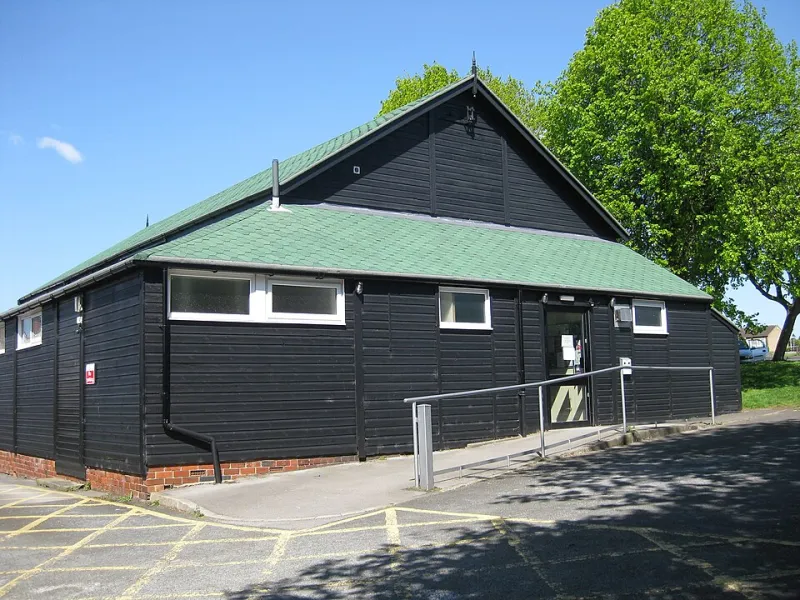
Picture a typical 1930s village hall with a stage at one end and a kitchen that has seen better decades. The committee decides to test a supper club on the second Friday of the month, from October to March, when wedding bookings are thin. They call it the Friday Table. They do not try to do it weekly. They do not try to do it in June, when the hall is full of confetti.
The first night is small: 28 guests, four long tables, a menu of beef and barley stew, a bean version for vegetarians, and apple crumble. The hall buys meat from the butcher two villages over, bread from the bakery on the high street and vegetables from the Friday market. The committee charges £16, with a £5 option for children and a free place for anyone who volunteers on the night. They break even. More importantly, they learn.
By the third month, the Friday Table has a waiting list. The hall has partnered with a local cheesemaker for a pre-dinner board and a cider maker for an optional drink. The quiz team has folded into the supper club. The wedding coordinator has stopped worrying about the second Friday of the month, because the supper club is now part of the hall's rhythm rather than a rival to its main business.
Build the menu around doing one thing well
The best hall suppers are not trying to be gastropubs. They are trying to be generous. Choose a menu that can be prepped in the afternoon, served in forty minutes and cleared without a meltdown. Think about dietary needs from the start: a vegetarian main, a gluten-free pudding, a dairy-free option that is not just a plate of fruit. Label food clearly. Keep a list of allergens behind the serving table.
If you want a partnership with local producers, make it visible but manageable. Ask a nearby farm to supply the main ingredient for one month and put its name on the menu. Invite a baker to run a bread-making demonstration before dinner. A supper club with a story is easier to sell than a generic 'community meal'.
Get the paperwork right before the first ladle
Before you advertise, talk to your local council. Register as a food business if you are selling food regularly; in the UK, this is usually done at least 28 days before you start. Check whether your premises licence covers the sale of alcohol, or whether you need a temporary event notice. Make sure someone on the team has a food hygiene qualification and that the kitchen has a cleaning schedule, a fridge thermometer and a sensible plan for leftovers.
This is not the glamorous part. It is the part that lets you sleep. Write a simple risk assessment, check fire exits and keep a first-aid kit stocked. If you are using candles, keep them away from the serving hatch and the table plan. If you are playing music, keep the volume low enough for people to talk.
Ticketing and tables that mix
Online ticketing saves the committee from counting cash, but keep a paper option for people who prefer it. Sell tables of six or eight as well as single seats, and make it clear that solo guests will be seated with others. That sounds brave; in practice, it is the whole point. A supper club should mix the room, not just fill it.
Ask about dietary needs at the point of booking. Offer a free companion ticket if you can afford it. Keep the price honest: if the ticket says £16, do not surprise people with a £3 booking fee. If you want to offer a pay-what-you-can tier, keep it simple and private.
The volunteer rota is the engine
A monthly supper club lives or dies on the rota. Break the evening into roles: set-up, kitchen prep, front of house, serving, washing up, clear-down. Ask people to choose a job rather than a vague 'help out'. Two hours is a reasonable shift. Three is a recipe for resentment.
Recruit beyond the usual committee. Parents, teenagers doing Duke of Edinburgh awards, retired neighbours and local food-lovers may all want a turn. Feed your volunteers. Thank them publicly. And keep a written note of what worked, so the next month does not start from scratch.
Make it pay without chasing profit
Price the ticket to cover ingredients, energy, licensing and a small contingency. Do not underprice just because it is a community event; the hall still has bills. If you make a surplus, decide in advance where it goes—new chairs, kitchen equipment, a subsidy for low-income guests. A supper club that is transparent about its numbers is easier to support.
Fill the quiet weekends, not the wedding diary
The timing matters. If your hall is busy with weddings from May to September, run the supper club in the colder months. If it is busy on Saturdays, try Fridays or Sundays. The point is not to compete with your best bookings. It is to use the hall when it would otherwise be dark and cold.
A monthly supper club will not solve every empty weekend. But it can turn a hall into a destination, one table at a time. Start with one night, one pot and one honest price. The room will tell you what to do next.