Before the First Note: How to Programme Live Music in a Community Hall
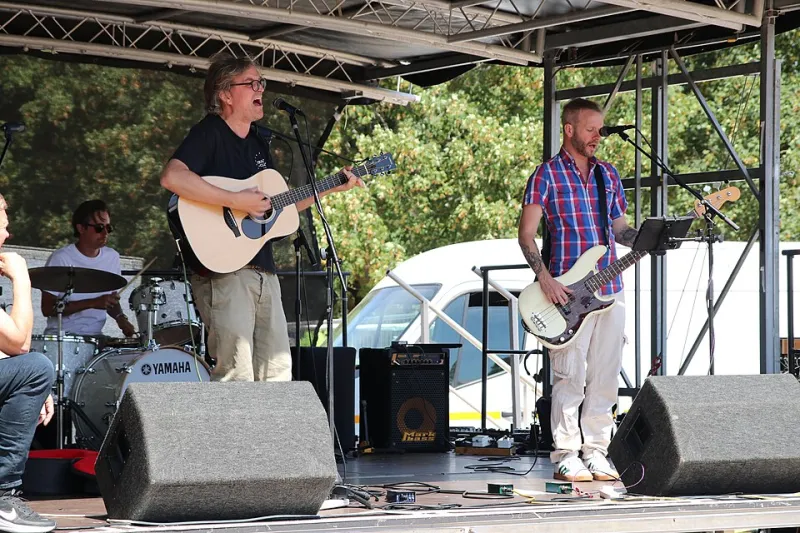
Photo: Tim Sheerman-Chase, CC BY 4.0, via Wikimedia Commons
A good gig in a community hall rarely happens by accident. It happens because somebody asked the right questions early, measured the stage, checked the licence and remembered that the audience needs somewhere to put a coat. At Corrie Hall, we love the moment a room goes quiet before a band starts. We also know that the quiet confidence of the organiser is what makes that moment possible. Here is a practical guide for anyone programming live music in a UK hall in 2026, whether it is a ceilidh, an acoustic night or a full-band show.
Start With the Room, Not the Rider
Before you fall in love with a band’s technical rider, listen to the room. High ceilings, hard floors and bare walls can make even a gentle acoustic set sound muddy. Soft furnishings, curtains and a full audience all help absorb sound. Ask the band what they actually need rather than what they usually carry. A folk trio may be happier unplugged; a rock band may need more control than the room can give. If the hall is very reverberant, consider acoustic or semi-acoustic acts, and keep the volume sensible for neighbours and volunteers alike.
Staging and Sightlines
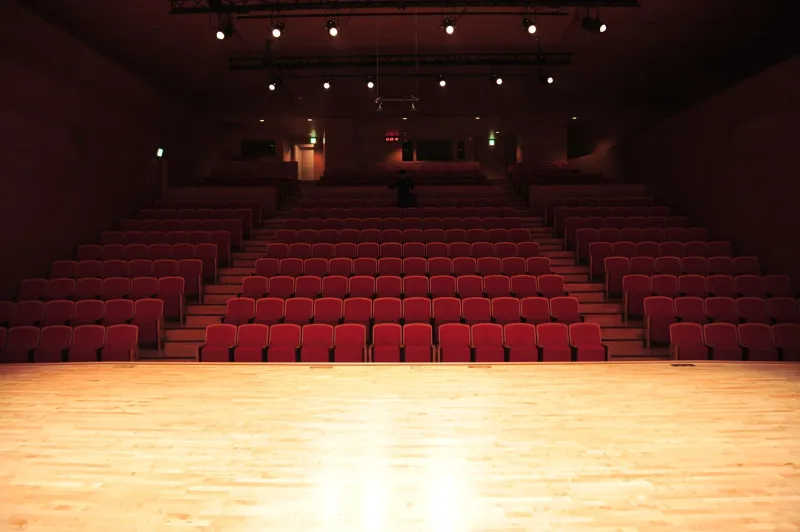
Not every hall has a stage, and not every band needs one. A low riser can help, but a flat floor with a clear sightline is often better than a wobbly platform. Think about where the audience will stand, sit and dance. Keep cables taped and routes clear. Check power sockets, extension leads and lighting before the day. If the band has a large backline, measure the load-in route. A beautiful hall with a narrow fire door is still a narrow fire door.
Licensing and Paperwork
This is the part nobody puts on the poster, but it matters. Check whether your premises licence covers live music, alcohol and late hours. If you need a temporary event notice, apply in good time through your local authority. Confirm public liability insurance and ask the band for their own cover. Think about noise, curfews and neighbours. A friendly letter to nearby residents before a big gig can prevent a lot of ill feeling afterwards. Keep a simple risk assessment and a named person responsible for first aid and evacuation.
Ticketing Without the Headache
You do not need a complicated box office. Paper tickets from a local shop, an online ticket link or a reserve-by-email list can all work. Decide your capacity honestly, including performers and volunteers. Keep a guest list and a float for the door. If you are serving alcohol, separate the bar queue from the entrance. If the event is seated, number the rows or mark the layout. Clear pricing and simple information build trust, especially for people who have never been to the hall before.
Audience Flow
Walk the route an audience will take. Entrance, welcome table, cloakroom, bar, toilets, seating and dance floor should not collide. Put signage where people look, not where you wish they would look. Leave space for wheelchairs, pushchairs and buggies. Plan the interval so the bar and toilets can cope. A packed room is lovely; a bottleneck in the corridor is not. Ask a volunteer to stand at the door for the first twenty minutes and simply point people in the right direction.
Questions to Ask Before the Band Arrives
A short checklist saves a long evening. What time is load-in? Where can the van park? Is there a soundcheck slot, and will the hall be quiet then? What backline and power do they need? Is there a dressing room, and do they need water or food? Where can they sell merchandise? What is the curfew, and who is the contact on the night? Have they played a room like this before? The answers do not need to be grand. They just need to be clear.
The Night Itself
Keep the running order visible. Have a responsible person for the door, the bar, the stage and the end-of-night reset. Make sure the band knows where to leave cases and where not to block fire exits. Offer water. Thank the volunteers. If something goes wrong, solve the small problem first and the big problem second. Most gigs are saved by calm people with a torch and a spare lead.
After the Last Chord
When the audience has gone, do not disappear. Thank the band, collect feedback and note what you would change. Check the hall for lost property, reset the furniture and record any damage. Pay suppliers promptly and rebook if it worked. A short debrief with volunteers is worth more than a long post-mortem later. The best live music programmes are built on repeat visits and word of mouth, not just one big night. Get the foundations right, and the next gig will feel easier before the first note is even played.