A Year Under One Roof: Seasonal Ideas for Filling Your Hall in 2026
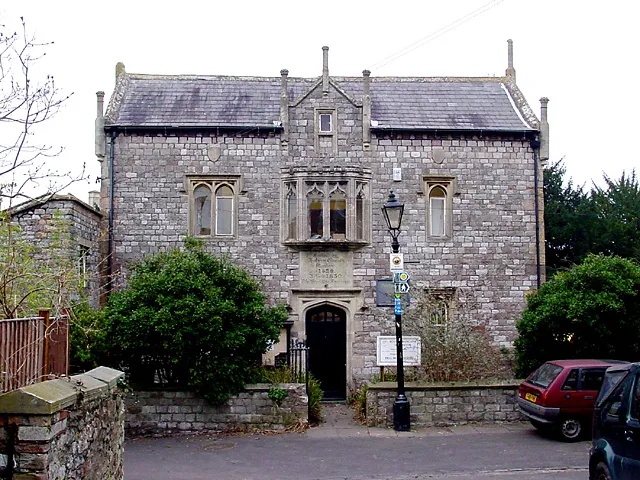
Photo: Linda Bailey, CC BY-SA 2.0, via Wikimedia Commons
A hall can feel like a blank page in January and a packed dance floor by December. At Corrie Hall, we have learned that the best calendars are not crammed to the rafters. They breathe. They leave room for the school holidays, the harvest, the odd quiet weekend and the volunteers who make it all happen. Here is a seasonal look at the kinds of gatherings that suit a UK hall best in 2026, with simple prompts to help you plan rather than panic.
January: Start Quiet, Start Local
January is not the month for a grand spectacle. It is the month for a warm room, a pot of tea and a reason to leave the house. A pub-style quiz night works beautifully, especially if you team up with a local charity or sports club. So does a coffee morning for people who made New Year resolutions they have already forgotten. Planning prompt: block your key dates before the school term fills up. Ask two or three regular hall users what they would actually attend in the cold months.
February: Bring People In From the Cold
Half-term is a gift. A craft social, a film afternoon or a family board game night can fill a wet Wednesday without needing a big budget. If your hall has a good floor, a beginners’ ceilidh or folk dance evening can lift the spirits. Practical note: check the heating well in advance, and make the entrance obvious with warm lighting and clear signage. Nobody wants to hunt for the door in the rain.
March: Spring Clean and Showcase
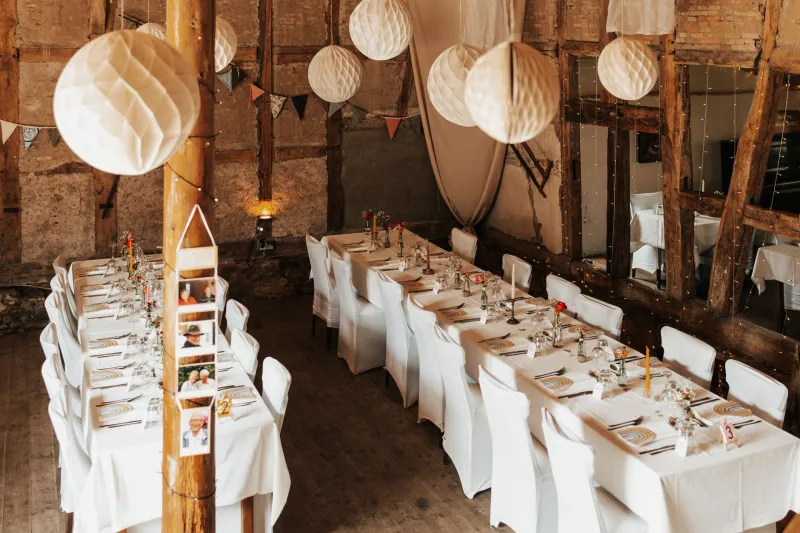
March is when the hall starts to show off again. A wedding open day gives couples a chance to see the room dressed rather than empty. A spring craft fair brings makers through the door and gives local people a reason to browse. A seed swap or gardening social is low-cost and quietly popular. Planning prompt: invite neighbouring businesses to share the event. A florist, baker or photographer can help create a buzz without adding to your workload.
April: Celebrate the Garden Gate
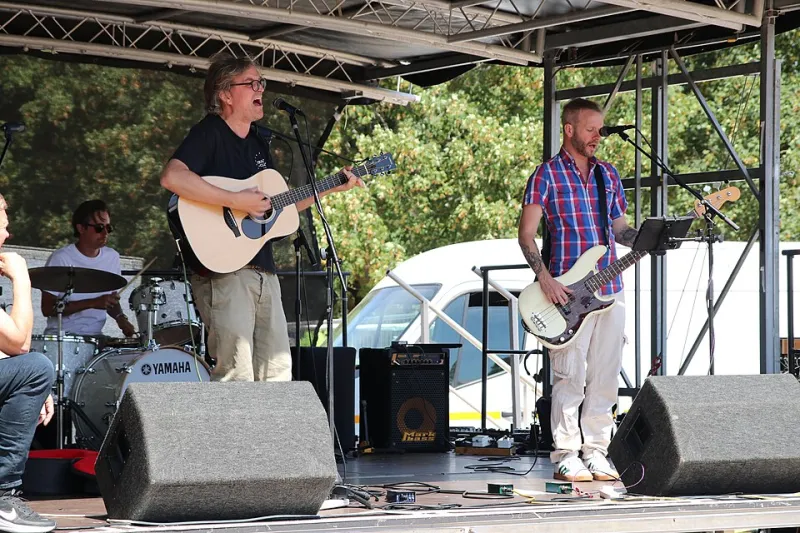
If you have outdoor space, April is the moment to use it. An Easter egg hunt, a spring market or an acoustic afternoon that spills on to the patio can make the hall feel generous rather than formal. Keep a wet-weather plan ready. In the UK, that is not pessimism; it is professionalism. A simple marquee-free backup of tables inside the main room will save the day.
May: The Merry Month of May
May is made for community. A May fair, a local choir concert or a bank holiday dance can draw families who might not otherwise step inside. It is also a popular month for wedding rehearsals and pre-wedding gatherings. Planning prompt: check your parking and neighbour arrangements before you advertise. A full hall is wonderful; a blocked lane is not.
June: Wedding Season Steps Up
By June, the wedding calendar is in full swing. Receptions, ceremonies and evening parties will take priority, so keep community programming light and realistic. A small Sunday afternoon concert or a members’ social can work around wedding set-ups. Practical note: confirm supplier access times, fridge space and rubbish collection early. The quiet logistics are what make the big day look effortless.
July: Long Evenings, Lighter Programming
July invites everyone outside, but the hall still has a role. A summer concert, a picnic supper or a family fun day can use the building as a base while the garden does the heavy lifting. If you are programming live music, keep the set times friendly for neighbours and young families. Planning prompt: provide shade, water and somewhere to sit. Small comforts make people stay longer.
August: Peak Gathering Time
August is peak season for weddings, community festivals and holiday clubs. The temptation is to say yes to everything. Try not to. A hall that is booked every single weekend in August will be a hall with tired volunteers and a dusty floor by September. Choose the events that fit your capacity, and protect one weekend for maintenance. Your future bookings will thank you.
September: Back-to-Routine Boost
September has a lovely back-to-school energy. A harvest supper, a hobby fair or the launch of a quiz league can bring people back into a routine of gathering. It is also a good month for a wedding showcase aimed at couples planning for 2027 and beyond. Planning prompt: ask local clubs to host a table. The more groups represented, the more people feel the hall belongs to them.
October: Harvest, Halloween and Hibernation Prep
October is full of reasons to gather. A pumpkin trail, a barn dance or a harvest lunch can be simple and joyful. If you are planning fireworks or anything with an open flame, check your risk assessments and licensing well ahead. Practical note: this is the month to review heating, draughts and lighting before winter. A cosy hall is a booked hall.
November: Fireworks, Feasts and Festive Build-Up
Bonfire socials, winter craft fairs and early Christmas markets all suit a hall. November is also when wedding couples start looking seriously at next year, so a winter open day with mulled drinks and fairy lights can be surprisingly effective. Planning prompt: keep ticket prices simple and offer a family rate where you can. Small savings make a big difference to local families.
December: The Hall at Its Warmest
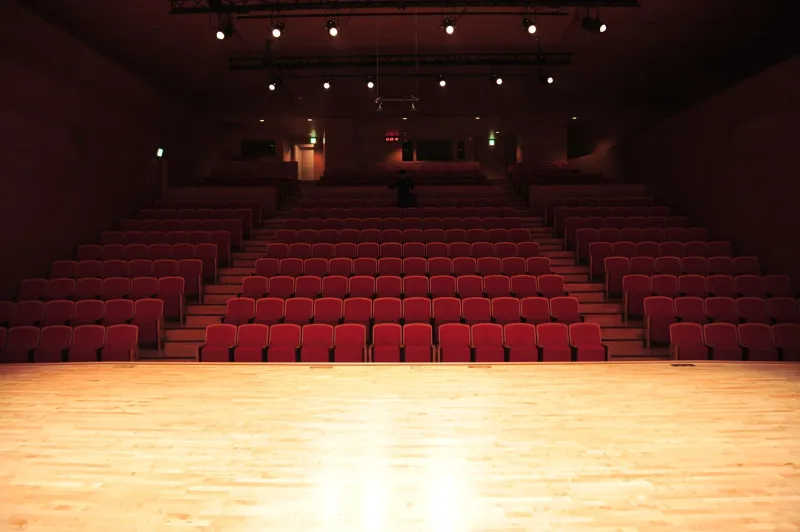
December is the hall’s chance to shine. Carol concerts, festive lunches, community parties and New Year gatherings all work well in a warm, familiar room. Book your key dates early and tell local groups before the diary fills. Practical note: plan for coats, pushchairs and extra bins. The details are unglamorous, but they are the difference between a lovely evening and a soggy crush in the porch.
The Blank Spaces Matter
A good hall calendar is not a wall of events. It is a rhythm. Leave space for maintenance, for quiet hires, for the couple who want a Sunday afternoon rehearsal and for the volunteer who needs a week off. At Corrie Hall, we think the best programming starts with a simple question: who lives nearby, and what would make them feel welcome? Answer that twelve times over, month by month, and your 2026 calendar will look less like a spreadsheet and more like a community story.