Beyond the Ramp: An Honest Access Audit for Older UK Halls in 2026
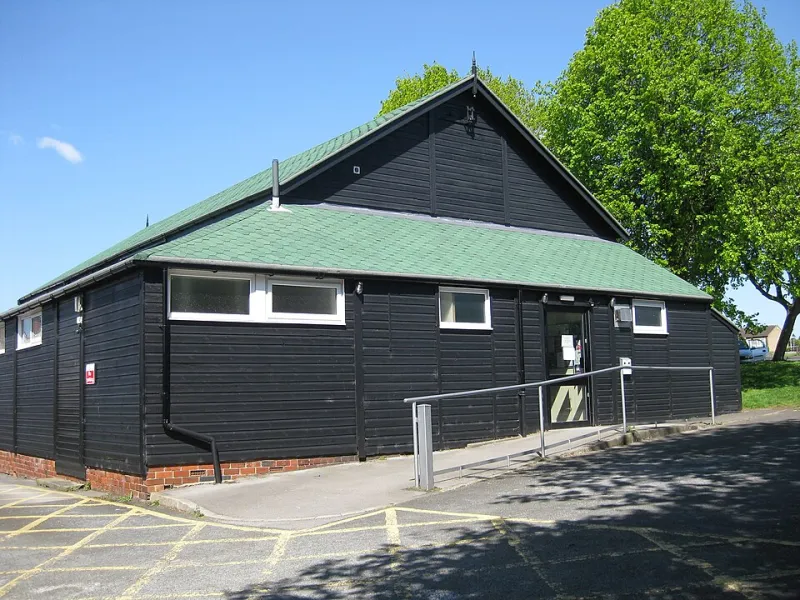
Photo: Chemical Engineer, CC BY-SA 4.0, via Wikimedia Commons
An accessible entrance is a welcome sight. It is also, in most older UK halls, only the first item on a much longer list. A ramped doorway and a grab rail in the loo matter enormously—but they do not tell a wheelchair user where the nearest parking bay is, help an older guest find a seat before the room fills, or give a neurodivergent visitor a quiet corner when the ceilidh band takes a break. If your 2026 events calendar is taking shape, it is worth auditing the whole journey from car to coat hook, not just the front step.
Start with the journey, not the front door
Walk the route as a guest would, preferably with someone who has different access needs from your own. Begin where people arrive: the car park, the bus stop, the lane from the village green. Is the surface firm and level? Are there kerbs without dropped edges? Is the entrance obvious after dark? For a listed building, some of these fixes are fiddly, but temporary matting, a torch-lit path and a clearly marked drop-off point can make a real difference.
Then move inside. Check thresholds, door widths and door weights. A heavy fire door with a stiff closer is a barrier for many older visitors, not just wheelchair users. Look at the floor: loose rugs, worn lino and uneven boards are trip hazards. Listen to the room. Hard surfaces, high ceilings and no soft furnishing create an echo that makes hearing aids and conversation harder. Sometimes a few curtains, a carpet runner and a well-placed noticeboard do more for access than another handrail.
Signage that works before anyone asks
Good signs are calm, high-contrast and readable at a glance. Use plain English, not internal hall language: 'Main Hall', 'Toilets', 'Quiet Room', 'Refreshments'. Add pictograms where they help, and make sure the accessible loo is not signposted with a symbol that has faded to grey. Temporary paper signs are fine for a one-off event, but they should be printed large, mounted at eye level and not taped over fire notices.
Think about the bits people need before they arrive: where to park, which entrance is step-free, where the buggy park is, whether the floor is flat, how loud the music will be. A short access page on the event website, plus a couple of photos of the route, answers more questions than a paragraph of good intentions. If a guest needs to ring ahead, make sure the number goes to someone who can actually answer it.
Give people somewhere to retreat
Not every guest wants to be in the thick of it for three hours. A quiet breakout space is one of the simplest and most effective inclusiveness measures a hall can offer. It does not need to be a suite. A side room, a curtained corner, even a small committee room with soft chairs and a lamp will do, as long as it is genuinely away from the speakers and the queue for the bar.
Stock it with water, a few cushions, maybe a basket of fidget toys and a clear sign saying it is a low-noise space. Tell people it exists in the pre-event email and on the door. For neurodivergent guests, families with small children and older attendees who need a breather, that small room can be the difference between leaving early and staying for the raffle.
Rethink the seating plan
Fixed pews are charming; they are also unforgiving. Where you can, use chairs that can be moved. Leave aisle seats free for people who need to slip out, and keep companion spaces beside wheelchair bays rather than parking them in a distant corner. Check sightlines from seated height, not just standing height. A low stage looks great in photographs but can hide the speaker from anyone in the third row.
If the event includes dancing, mark a clear route around the floor so people can move without stepping through a press of bodies. For formal dinners, leave more space between tables than you think you need. It makes serving easier, but it also makes the room easier to navigate with a stick, a guide dog or a pushchair.
Make ticketing part of the welcome
Accessible ticketing is not just about a wheelchair space. It is about asking, clearly and without prying, whether anyone in the party has requirements. Add a simple question at checkout: 'Is there anything we can do to make your visit easier?' Offer a free companion ticket where appropriate, and do not make disabled guests jump through hoops to claim it. Provide a phone number and a paper booking option for people who do not use apps.
Be careful with the word 'accessible'. If the hall has a step-free entrance but no accessible toilet, say so. If the hearing loop works in the main hall but not the side room, say that too. Honesty is kinder than a glossy claim that collapses on arrival.
Brief your people properly
Volunteers are the heart of a community hall, but they are not mind readers. A ten-minute briefing before doors open can cover the layout, the quiet space, the evacuation plan and who is the named access contact for the evening. Give that person a radio or a mobile number and the authority to make small calls—moving a chair, opening a side door, turning down the music.
Ask staff and volunteers to use plain language and to offer help rather than assume it. Not every disabled guest wants a running commentary on the ramp. A simple 'The accessible loo is just past the stage on the left—would you like me to show you?' is usually enough.
Audit honestly, then publish the truth
Before you advertise a 2026 event as inclusive, do a proper walk-through with disabled people, not just the committee. Your local access group, a nearby disability charity or a regular guest may be glad to help. Note what works, what is temporary and what needs a longer-term fix. Keep a written access statement and review it after every event, because access is a process, not a plaque by the door.
The goal is not a perfect Victorian hall. It is a hall where people can arrive, settle, enjoy the thing they came for and leave without a story about the step that nearly defeated them. Start with the ramp, by all means. Then keep going.