Bunting, Cake and a Clipboard: How to Run a Wedding Fayre Your Hall Actually Benefits From
There is a particular smell to a wedding fayre: warm icing, coffee from an urn that has seen things, and the faint hairspray haze of a dozen people hoping to be booked. Most community halls host one because someone on the committee said, reasonably enough, 'we should do a fayre.' But a fayre is not a bake sale with business cards. Run properly, it is a rehearsal for every wedding your hall will ever host — and a very good way to find out what your building is actually like when it is full of people in nice shoes.
Treat it as a rehearsal, not a performance
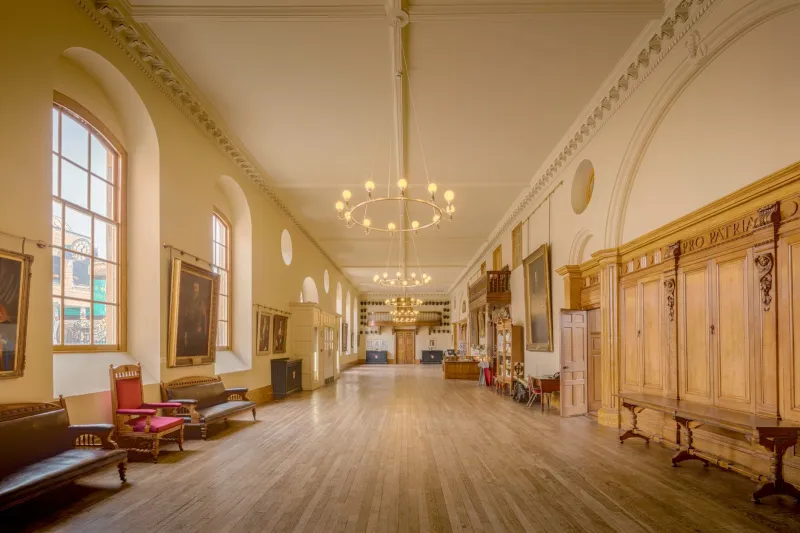
Before you worry about bunting, walk the route a couple will take. Car park to front door. Front door to cloakroom. Cloakroom to ceremony space. Can a grandmother with a walking frame do it without being directed like a delivery van? Is the signage legible from the gate? Does the kitchen servery work when eighty people want tea at once? A fayre puts all of that under gentle pressure. Note the friction points on a clipboard — literally, a clipboard — and fix what you can before the first booking lands. The wobbly ramp, the dim corridor, the fact that the only bin is behind a fire door: better to discover it on a Sunday in January than on a bride's actual morning.
Curate suppliers like a dinner party
Twelve to eighteen stands is plenty for most halls. More than that and you get a scrum; fewer and it feels like a jumble sale. Aim for one supplier per category, mostly within twenty miles, so the fayre feels local rather than a coach tour of the Home Counties. A good mix: a florist who can do jam jars without sighing, a photographer with a real wedding gallery rather than a drone reel, a cake maker who offers gluten-free samples, a caterer who understands a hall kitchen, a celebrant or registrar, hair and makeup, a band or DJ, a vintage hire company, and a stationer.
Ask each supplier for public liability insurance, two recent weddings, and a small fayre-only offer. Be clear that this is not a hard-sell event. If someone turns up with a clipboard and a pyramid scheme, politely point them at the door. The couples remember how the room felt, not how many leaflets they collected.
Lay out a story, not a maze
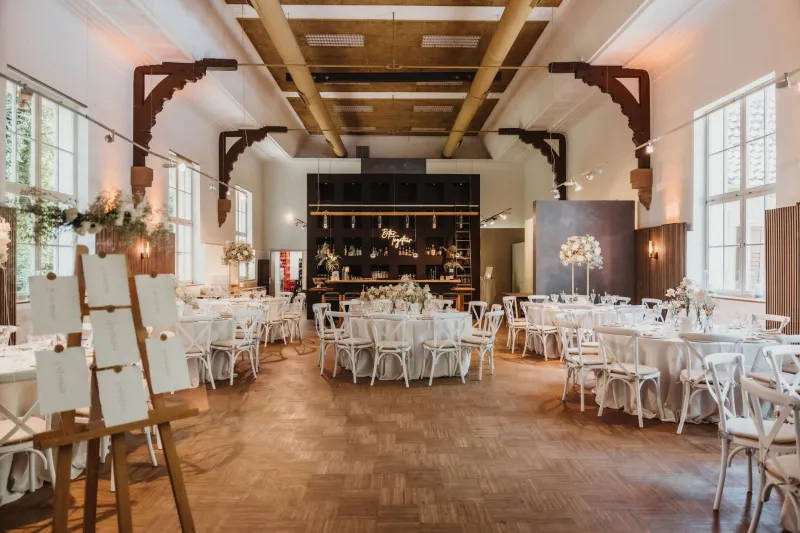
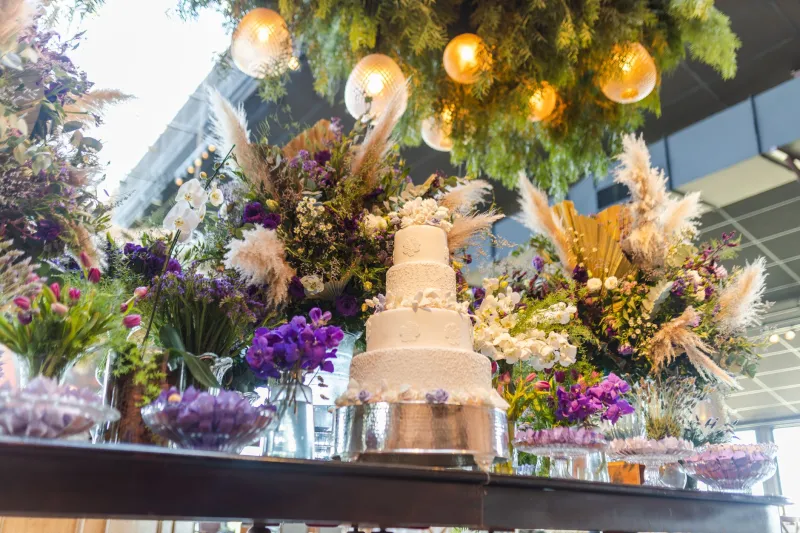
Think of the hall as a series of scenes. The entrance is the welcome: a table with a map, a name badge, a free coat rail, and a volunteer who says hello rather than 'sign here.' The ceremony zone should look like a ceremony — chairs in a semi-circle or theatre style, an aisle, a table for the registrar, maybe a rug to mark the spot. The tablescape zone can be one long table dressed three ways: rustic, modern, and 'we did it ourselves and it looked lovely.' Put cake and tasting near the kitchen but not blocking the route to the loo.
Signs matter more than you think. Arrows on A4 card, taped at eye height, save a hundred questions. Timed demonstrations — 11.30 ceremony styling, 1pm cake cutting, 2.30 first-dance lighting — give the day a rhythm and give suppliers a moment to shine. And keep one quiet corner with two chairs and a jug of water. Wedding fayres are surprisingly exhausting for anyone who is actually planning a wedding.
Market it on a shoestring and a stapler
You do not need a billboard. You need to be where couples already look. Local wedding groups on Facebook, Instagram with a clear hashtag, free wedding directories, the parish magazine, the library noticeboard, the post office window, the school newsletter, and the 'what's on' page of the local paper. Send the paper a hundred-word listing and a decent photograph — not a stock image of a marquee in a field.
Charge £3 on the door and make it redeemable against hall hire. It covers printing, filters out a few time-wasters, and gives you a reason to collect names. Ask every supplier to share the event with their own followers; they want footfall as much as you do. On the day, put a sandwich board on the high street and rope in two volunteers to stand at the gate. That is the whole campaign.
The bit everyone forgets: follow-up
The fayre ends, the cake is boxed up, and everyone goes home. This is where most halls lose the booking. Have a simple sign-up sheet — 'Can we email you about hall hire and future open days?' — that meets GDPR rules. Send a thank-you within forty-eight hours: photographs, the supplier list, the next viewing date. Then log every enquiry with the wedding date, guest count, and budget. Review it after ninety days. A fayre that produced sixty visitors and eleven viewings is a success; one that produced two hundred visitors and no follow-up is a very expensive coffee morning.
What success actually looks like
Count more than the door. Count viewings booked, provisional dates held, mailing-list sign-ups, and suppliers who want to come back. A modest fayre can easily turn into three or four weddings across the year if the follow-up is tidy. And even if it doesn't, you have tested your hall's car park, kitchen, sound system and signage with an audience that will forgive you. That is worth the price of a few cakes.
The bunting comes down. The clipboard stays. That is the fayre working.