Before the Big Day: Making Friday Night Your Hall's Quiet Triumph
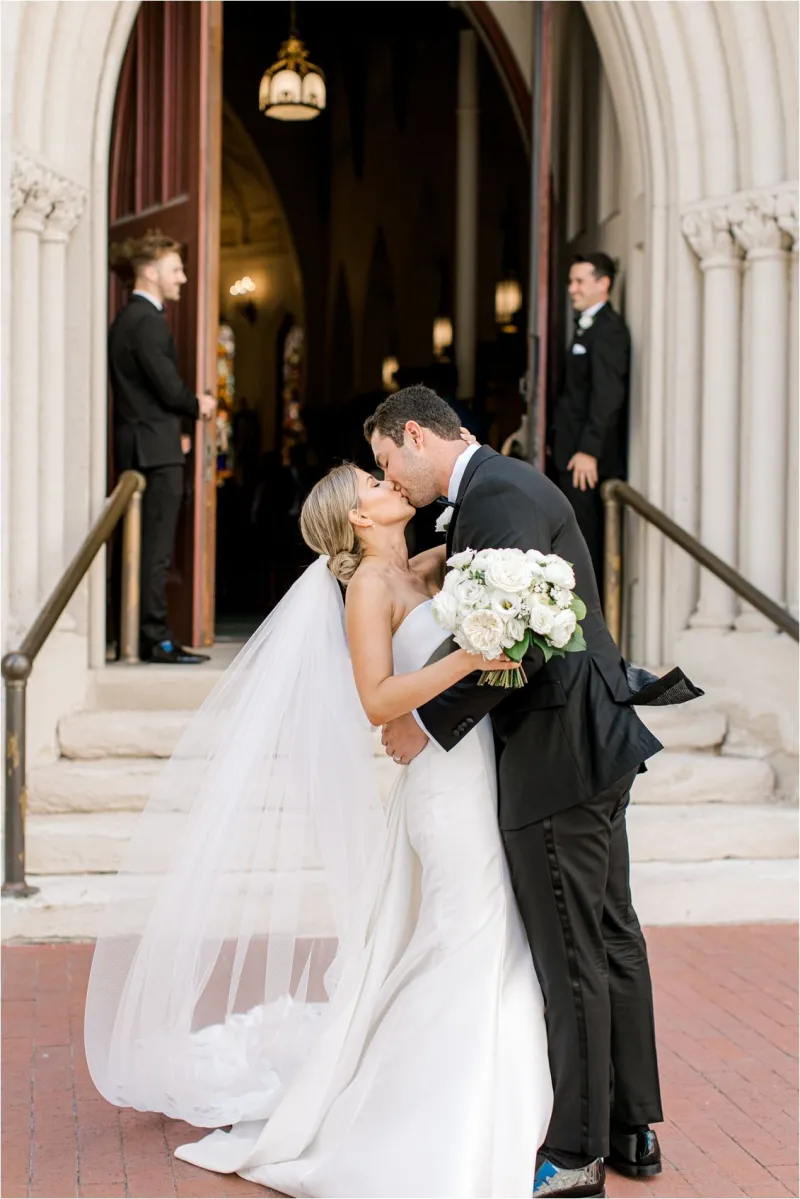
Photo: wedding welcome supper long table fairy lights village hall UK, via i.pinimg.com
Friday night of a wedding weekend has a habit of being the forgotten bit. The couple are elsewhere, the ushers are still collecting suits, and the hall sits dark while everyone saves their energy for Saturday. Yet across the UK, more couples are looking for a softer way to start the celebrations: a welcome supper, a few drinks, a chance to say hello to the people who have travelled. It is not a second wedding. It is the night before — and it is a genuine opportunity for halls that know how to host it well.
The Friday Slot Is Sitting There
Most venues pour their energy into Saturday. Fair enough. But Friday is often available, often cheaper to staff, and often exactly what a couple needs. Guests arrive from Leeds, Glasgow, Cardiff or halfway across the world; immediate family want more than a rushed hello after the ceremony. A hall that offers a simple Friday gathering gives the wedding weekend a beginning, not just a main event.
The trick is not to sell it as a rehearsal dinner. That phrase carries a whiff of spreadsheets and seating plans. Call it a welcome supper, a Friday gathering, a night-before meal — something that sounds like hospitality rather than homework.
What a Welcome Supper Actually Is
Keep the definition narrow. This is a low-key, early-finishing meal with drinks, designed for the people who are already in town. No white tablecloths. No three-course menu. No dance floor and no disco. Think long tables, a hot dish, good bread, a pudding, and a bar that opens at six and closes before the neighbours start thinking about bed.
Numbers are usually smaller than Saturday: thirty to eighty is a sensible range. Children are welcome. Speeches are optional and short — five minutes from the couple, perhaps, and nothing more. The whole thing should be over by half nine or ten, leaving everyone fresh for the main day.
Packaging It Without Giving Away the Reception
The packaging matters. Offer a clearly separate Friday package: room hire from late afternoon, a simple supper, a licensed bar, basic warm lighting, and a playlist running quietly in the background. Do not include the things that make Saturday special. No band. No dance floor. No elaborate styling. The Friday night should feel generous, not like a cut-price version of the reception.
If a couple is already booking the hall for Saturday, this becomes an easy add-on. If they are marrying elsewhere and simply need a welcoming space on Friday, sell it as a standalone supper. Either way, keep the offer simple enough to explain in one paragraph.
Pricing That Respects the Main Event
This is where halls can trip over themselves. Do not give Friday away free to win Saturday business, and do not price it so high that it looks like a second reception. Price it as a lighter sibling: a per-head supper charge plus room hire, with a sensible minimum number. If Saturday is the premium product, Friday should be the friendly extra, not a rival.
A useful rule is to build the price from actual costs — food, staff, heating, bar stock — then add a modest margin. Bundling can work if it protects the main event: for example, a reduced Friday room hire fee when Saturday is also booked, rather than a blanket discount that makes Saturday look poor value. Keep deposits and cancellation terms separate, too. A Friday booking should stand on its own.
Decor: Generous, Not Theatrical
The best Friday rooms feel warm rather than styled to within an inch of their lives. Use what the hall already has: good tables, decent chairs, warm bulbs. Add candles, fairy lights, a few simple flowers in jam jars, and a chalkboard menu. If the couple are bringing decorations, encourage dried flowers and reusable pieces rather than anything that will wilt overnight.
Resist the urge to build a full wedding set. Friday is about people finding their seats, meeting the in-laws, and relaxing. A little generosity goes a long way: a help-yourself drinks table, a bowl of something salty, a clear sign telling people where to put coats.
Catering That Keeps It Simple
One hot dish, one vegetarian option, bread, salad, and pudding. That is the shape of it. Pie and mash, a curry, a chilli, a hotpot, a pizza van in the yard — all work, provided the queue moves and the food stays hot. A local caterer who can serve seventy people without drama is worth more than a fancy menu that arrives late.
Watch the details: allergens labelled clearly, a jug of water on every table, tea and coffee included, and a bar that is not so expensive it kills the mood. Friday does not need to compete with Saturday's tasting menu. It needs to feel like someone has thought about it.
Sound, Speeches and the Art of Saying Less
A quiet playlist is usually enough. Keep the volume conversational. If there is live music, make it acoustic and short — a duo in the corner, not a function band warming up for the main event. One wireless microphone is plenty. Two speeches maximum, both brief, and no open-mic surprises.
Check the premises licence for music and alcohol, and keep an eye on the clock. If the hall has a sound limiter, tell the couple in advance. If there are neighbours close by, close the doors and finish early. A Friday night that ends calmly is a gift to Saturday.
The Handover to Saturday
A Friday gathering can be a useful dry run. It tests the layout, the bar queue and the car park. But it also creates work: glasses to wash, chairs to reset, floors to sweep. Build a clear handover plan with the couple and their helpers. If the hall is needed early on Saturday for setup, make sure Friday's clear-up is part of the booking conversation, not an afterthought.
A Quiet Win
Halls do not need to chase every wedding trend. But the night before is a natural fit for a venue that already knows how to feed people, pour a drink and make a room feel welcoming. Done well, Friday does not dilute Saturday. It makes the whole weekend feel longer, warmer and more generous — and it fills a slot that was sitting empty.