Off-Peak, Not Off-Beat: The Quiet Rise of the Midweek Wedding

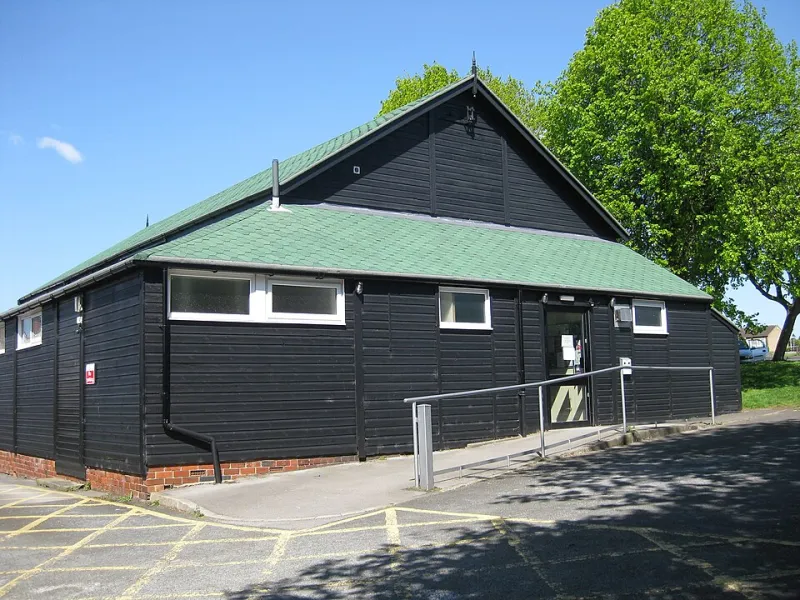
Photo: Zakaria Tunsung, CC BY-SA 4.0, via Wikimedia Commons
There's a certain kind of wedding that we've been seeing more of at Corrie Hall lately. The car park fills on a Thursday afternoon rather than a Saturday morning. The florist arrives with the same armfuls of stock but a fraction of the stress. And by nine o'clock, the band is playing to a room full of people who don't have to be anywhere else tomorrow.
Midweek weddings aren't new. What's new is how deliberate people are being about them. In 2026, a Thursday is less a compromise and more an informed choice – and the couples making it tend to be the calmest people in the building.
Why the middle of the week suddenly looks attractive
Some of it is arithmetic. Saturdays carry a premium almost everywhere, and it isn't just the venue hire. Registrars, photographers, caterers, DJs and marquee firms all price their busiest day higher because demand is highest. Move a day or two earlier and those quotes start to soften – often by fifteen to thirty per cent across the board, and occasionally more if you're willing to be flexible about which week.
But cost is only half the story. The other half is availability. Ask any photographer you like whether they'd rather shoot your Saturday in August or your Thursday in June and you'll get a fairly honest answer. Suppliers who are booked solid from May to September can suddenly offer you their first-choice package, their favourite second shooter, their best china.
Then there's the diary question. A Thursday wedding often becomes a long weekend for guests – one day of annual leave, then a natural slide into Saturday. For friends travelling from Manchester, Leeds or further afield, that can be the difference between coming and sending a card.
The guest list changes, and that's fine
Be realistic: not everyone will make a Thursday. Some will be teaching, nursing, driving lorries or running a shop they can't close. The good news is that a midweek wedding tends to self-select into a slightly smaller, slightly more committed room – and a room of 70 people who really want to be there usually out-parties a room of 120 who are half-checking their phones.
A few practical moves help:
- Send save-the-dates early. Six to nine months isn't excessive when people are booking leave.
- Be clear about timing. An afternoon ceremony with an evening reception is easier to attend than a full day starting at noon.
- Consider an evening-only invitation tier for local friends and colleagues who can slip in after work.
- Say it plainly on the invite – 'we're marrying on a Thursday, we know it's a big ask, and we'd love you there if you can make it.' Honesty goes a long way.
What a Thursday actually feels like
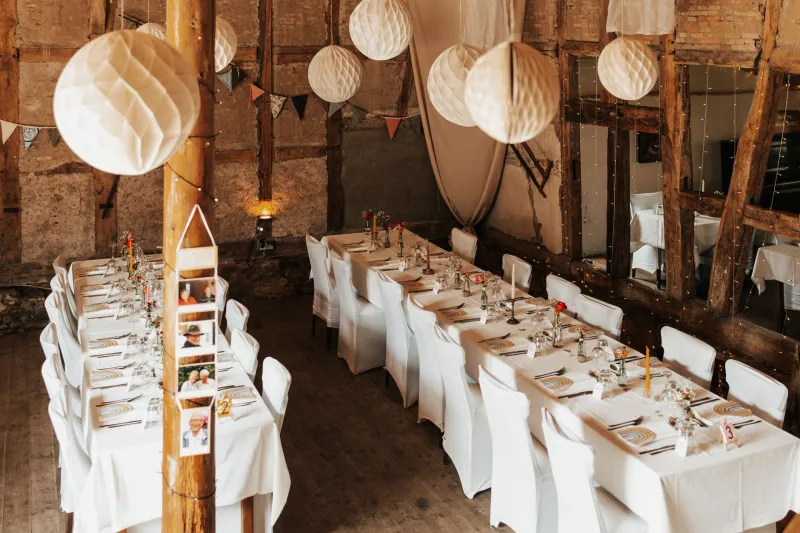
This is the part that surprises couples most. A midweek wedding has a different atmosphere – less like a production, more like a very good party someone has thoughtfully arranged.
The hall isn't double-booked. The suppliers aren't racing to a second job. The registrar isn't watching the clock quite so hard. Staff have time to talk to your guests rather than herd them. And you, crucially, get the venue for longer: setup on Wednesday evening or Thursday morning, and no 11pm scramble to clear the room before another wedding arrives at dawn.
If you're marrying in a hall with a licensed ceremony room, ask whether you can hold the ceremony and reception in the same building. Removing the coach transfer from the day is one of the quietest luxuries in wedding planning.
For venues: turning a quiet Thursday into a confident booking
From the hall's side of the table, midweek weddings are a genuine opportunity – but they ask for a slightly different sales pitch.
Lead with what you can offer that a Saturday can't: flexibility on setup times, a longer hire window, better rates for suppliers, and a more relaxed run of the day. Publish a midweek rate openly rather than haggling privately; couples compare notes online and transparency builds trust.
Small operational things matter too. Make sure your registrar or celebrant contacts are up to date. Check that your kitchen can run a smaller midweek service without over-staffing. If your bar only opens for large bookings, work out a sensible minimum. And brief your team on the fact that a Thursday crowd may arrive in waves as people finish work.
One more thought: bundle. A midweek package that includes chairs, tables, a basic sound system and a recommended supplier list saves couples a fortnight of admin and makes your hall the obvious answer.
The things to watch
Midweek weddings aren't frictionless. Ceremony slots can be tighter if your local register office only offers limited days – check availability before you fall in love with a date. Some suppliers charge travel surpluses for midweek. And your evening guests may trickle in later than you'd like.
Also, think about the end of the night. If your venue sits in a residential pocket, confirm the licence terms and the curfew early, and plan transport – a minibus to the nearest town beats forty people trying to book taxis simultaneously.
The long and short of it
A Thursday wedding is not a lesser wedding. It's a differently shaped one: cheaper in places, calmer in most, and often fuller of people who genuinely wanted to be in the room. If you're planning for 2026 or 2027 and your heart isn't set on a Saturday, it's worth a conversation with your venue. Bring a date, ask what the midweek rate looks like, and see what the building can do when it isn't rushing.