Pinned, Not Posted: Why Your Hall's Next Crowd Is Already on the High Street
There is a quiet irony in the way we promote community buildings. The hall itself is a physical place, rooted in a street or a village green, yet so much of its marketing happens in a feed that nobody outside a five-mile radius will ever see. In 2026, with social reach increasingly unpredictable and volunteer hours thinner than ever, the smartest move for many UK halls is not to chase the algorithm. It is to get back to the noticeboard, the newsletter and the shop window.
This is not an argument for abandoning social media. It is an argument for putting the local back into local marketing — and for building a simple rhythm that a small committee can actually keep going.
The Feed Is Not the Front Door
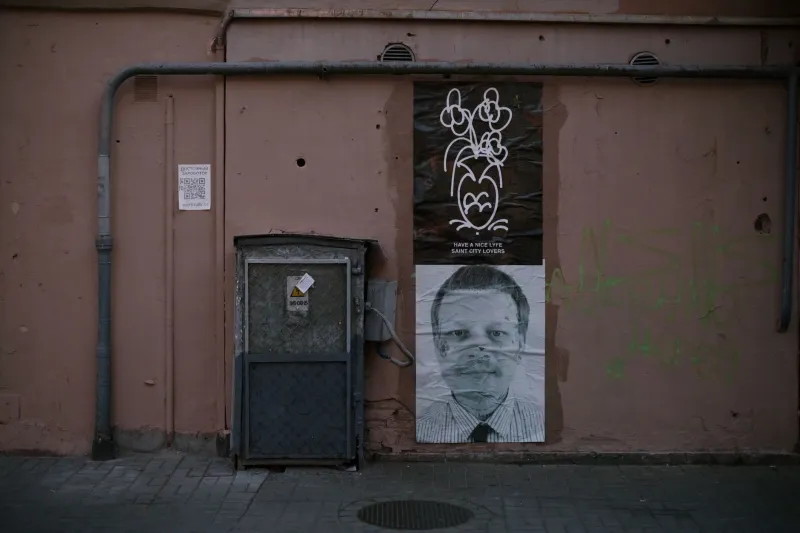
A hall event lives or dies on a very short journey: someone sees a date, checks they are free, and buys a ticket. Social media can help with the first step, but it is crowded, forgettable and increasingly pay-to-play. A poster in the Co-op window, by contrast, is seen by the same people week after week. It is not competing with a thousand other posts. It is simply there, between the milk and the queue.
Hyperlocal channels also carry trust. A listing in the parish magazine, a mention in the school newsletter or a flyer passed on by the local bakery feels like a recommendation, not an advert. For volunteer-run venues, that trust is worth more than a thousand impressions.
Start With a Twenty-Minute Walk
Before you design anything, walk the streets around your hall for twenty minutes. Make a list of every place a poster could reasonably live: the library, leisure centre, post office, co-op, bakery, garden centre, doctors' surgery, community fridge, church porch, mosque noticeboard, temple foyer, sports club and school gate. Note who owns each board and what their deadlines are. Photograph the boards so you know what size and style already works.
Then ask permission. A polite email or a two-minute conversation at the counter is usually enough. Most local businesses are happy to help; they just want to know the poster will be replaced when it goes out of date.
Keep your poster simple. A5 is plenty. Put the event name, date, time, price and one clear action — 'Scan for tickets' or 'Pay on the door' — in large type. Add a QR code if you have a reliable landing page. Leave the paragraph of background text for the newsletter.
A Ninety-Day Rhythm for Volunteers
Do not try to run a full campaign every week. Instead, run a ninety-day loop with three phases. It is easier to repeat than to reinvent, and it gives new volunteers a clear job.
Month one: groundwork. Build one simple event page that lists all your upcoming dates. Create a reusable poster template. Make a QR code that points to the page. Write a fifty-word listing you can send to newsletters. Start a WhatsApp broadcast list for people who have already asked to hear from you. List every partner and noticeboard with a contact name and deadline.
Month two: visibility. Put posters up in the first five locations. Send the listing to the parish magazine, school newsletter and local free paper. Ask three partner businesses to display a flyer or mention the event to customers. Put a stack of flyers in the library and the café. If you have a street-facing window, use it — even a simple painted sign works better than nothing.
Month three: proof. At the door, ask every tenth person where they heard about the event. Count QR scans if your tool allows it. Ask partners whether anyone mentioned the flyer. At the end of the month, write down which three channels brought the most people and do more of those. Drop the rest without guilt.
A weekly rhythm might look like this: Monday, fifteen minutes to update the WhatsApp broadcast with one line. Tuesday, twenty minutes to replace three posters. Wednesday, fifteen minutes to send a listing to a newsletter deadline. Thursday, ten minutes to ask one partner to share. Friday, ten minutes to log enquiries and door responses. That is under an hour a week — realistic for a committee that is already making tea and stacking chairs.
What to Put Where
A shop window needs a poster, not a press release. Big date, big time, clear price, QR code, and a phone number for people who do not scan. A parish newsletter needs a short listing and a contact name; write it as if you are telling a neighbour. A WhatsApp group needs two lines and an image, not a PDF. A partner business needs a reason to care — offer to promote their quiz night or café special in return. A library board suits family events and workshops; a pub noticeboard suits music nights and comedy. Match the message to the place.
QR Codes Without the Faff
A QR code is only useful if it works. Test yours on three phones, in the actual shop, on the actual Wi-Fi. Point it at a page that loads quickly and tells people what they need to know: date, time, price, access information and a booking link. If you can, use a different code for each channel so you can see which poster is doing the work. Free code generators are fine for this. Put the code at eye level and add a short instruction: 'Scan for tickets and access info.'
Measure the Door, Not the Likes
Likes are lovely. They do not pay the hire fee. For a hall with sixty seats, three extra people from a library poster is a result. Keep a simple tally sheet at the door and ask: 'Where did you hear about us?' Offer a few options — poster, newsletter, friend, WhatsApp, social media, walked past. Count the answers. Over three months you will see patterns that no dashboard can give you.
The Local Superpowers Nobody Talks About
Your best marketing partners are already on your doorstep. The pub quiz host, the café owner, the school PTA, the scout leader, the WI, the church, the mosque, the temple, the sports club and the local bakery all have their own audiences. Offer a reciprocal arrangement: they display your flyer, you mention their event in your newsletter or put their poster in your window. Local businesses want footfall. Your hall can help with that.
Keep Social in Its Place
None of this means you should delete your accounts. Social media is useful for confirming details, sharing photos after the event and giving newcomers a sense of what the hall is like. But it should be the archive, not the engine. The engine is the high street, the newsletter and the WhatsApp group that already trusts you.
In 2026, the most radical thing a community hall can do is act like a community hall. Start with twenty minutes and a walk. Pin the poster. Send the listing. Ask the bakery. The people you want are already nearby — they just need to see the date.