Cake, Cha-Cha and a Cuppa: How to Launch a Sunday Tea Dance That Lasts
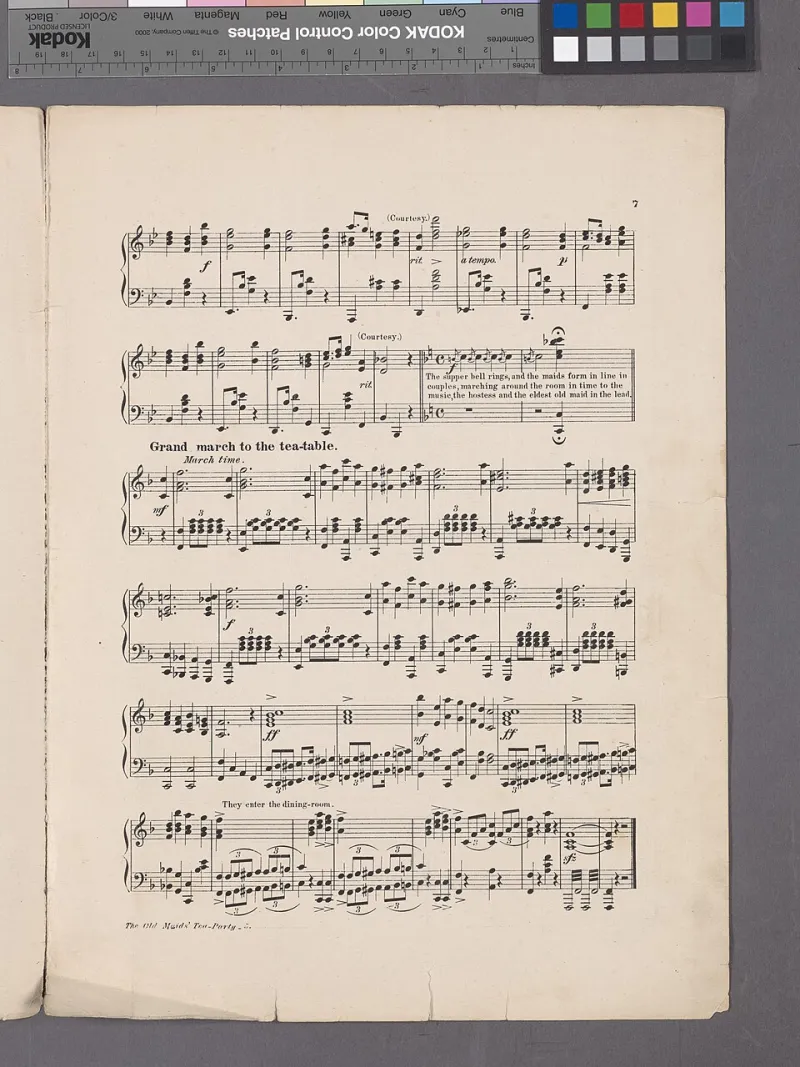
Photo: Scan by NYPL, Public domain, via Wikimedia Commons
There is a particular kind of quiet that settles over a hall on a Sunday afternoon. The chairs are stacked, the lights are off, and the building waits until Monday. It is also, quietly, one of the best slots in the week for a gathering that brings people together: a tea dance.
Not a rave. Not a concert. A proper afternoon do with music, cake and enough room to shuffle, waltz or simply sit and watch. Done well, it can become one of the most reliable events in your hall's calendar — and one of the most joyful.
Why Sunday Afternoons Work
Sunday suits older residents. Buses are running, daylight is on your side, and nobody has to navigate a dark car park at ten at night. It also suits the hall: a slot that might otherwise sit empty can become a monthly anchor, with a regular crowd who know exactly when to expect it.
There is a social appetite for this. Plenty of people in their sixties, seventies and eighties spent their youth in dance halls and church socials. Others have never danced properly in their lives but fancy a cup of tea and a bit of company. A tea dance welcomes both, as long as nobody is made to feel like they are auditioning.
The Shape of a Good Tea Dance
A simple rhythm works best. Doors open at two, tea and cake from half past, dancing from about half two until half four, and a last waltz before everyone goes home. That gives people time to arrive, find a seat and say hello without the afternoon dragging.
Set the room up with tables around the edge and a clear floor in the middle. Have a welcome table near the door with a friendly face, a sign-in sheet and a printed programme. Keep lighting warm rather than bright. If the hall has a stage, use it; if not, a corner is fine.
Timings That Respect Bedtimes and Buses
Start and finish on time. This matters more than almost anything else. If the leaflet says two o'clock, be ready at two o'clock. If the last dance is at half four, play the last dance at half four. People plan lifts and buses around those times, and a reputation for running late will cost you regulars.
Check the local Sunday bus timetable before you set the date. Ask a volunteer to coordinate lifts for anyone who needs one. Keep the entrance well lit and the car park clear. A tea dance is only accessible if people can actually get to it.
Cake, Cuppas and Keeping Catering Calm
Do not overcomplicate the food. Tea, coffee, squash, a plate of sandwiches and a few good cakes will do nicely. A local bakery or WI branch may be glad of the business. Label allergens clearly, offer a gluten-free option, and keep a jug of water on every table.
A simple entry fee that includes refreshments — somewhere around five or six pounds — keeps things easy. Avoid a full bar unless you have the staffing and demand. The point is a cuppa and a chat, not a late licence. If you want to raise a little extra, a raffle or a cake stall works better than a complicated ticketing system.
The Band, the Playlist and the Dance Floor
Live music lifts the room, but it does not have to be expensive. A local duo or trio — keyboard, vocals and perhaps a saxophone — can play waltzes, foxtrots, swing, cha-cha and a few sequence dances without blowing the budget. Ask them to keep the volume conversational. If people have to shout to order tea, it is too loud.
A playlist is a perfectly good backup. Build one with familiar tunes and a few slower numbers, and have a volunteer act as MC. If there is a local dance teacher, invite them to lead one easy sequence dance. Not everyone will join in, and that is fine. Some of the best tea dances are half dancing, half watching.
Partners Who Bring People
Do not do all the marketing yourself. Age UK, U3A, the WI, local churches, care homes, libraries and social prescribing teams all have networks that reach the people you want. Ask them to promote the event and bring a group. Offer a free place to a volunteer helper from each partner organisation.
A local dance school might supply a demonstration or a beginner session. A nearby care home might arrange transport for a few residents. A community transport scheme might offer lifts. These partnerships take a little effort at the start, but they turn a one-off afternoon into a regular outing.
Volunteers and the Small Jobs That Matter
You need greeters, tea servers, raffle sellers, setup helpers and a clear-up crew. Write the jobs down and put them on a rota so the same three people are not doing everything every month. A short briefing before doors open is enough: who is on the door, who is on the urn, who is watching the floor.
Check the practicalities: a ramp or level entrance, accessible toilets, a hearing loop if you have one, and large-print programmes for anyone who needs them. A first-aid kit and a named person in charge are basic must-haves. None of this is glamorous, but it is what makes people feel cared for.
Money, Sustainability and Not Burning Out
Run the numbers before the first event. Hall hire, band fee, cake, tea, milk, printing and a small contingency all add up. If entry is six pounds and the band costs two hundred, you need roughly forty people to break even. That is achievable, but only if you promote properly.
Start monthly rather than weekly. Build a small reserve so a quiet month does not sink the whole idea. Keep the format steady, ask regulars what they would change, and resist the urge to add something new every time. The joy of a tea dance is that people know what to expect.
The First One Is the Hardest
Invite thirty people personally. Ask your partners to bring a table. Put a notice in the local shop and the parish magazine. Make the first event a pilot, take photographs, and ask everyone to tell one friend. If the room feels good, do it again next month. If it does not, adjust the timing or the music and try once more.
A Sunday tea dance will not fill itself. But a hall that gets it right will find something rare: an afternoon that people plan their month around, and a room that feels alive when it would otherwise be empty.