The Second Fridge and the Signed Sheet: Hiring Out Your Hall Kitchen Without the Headache
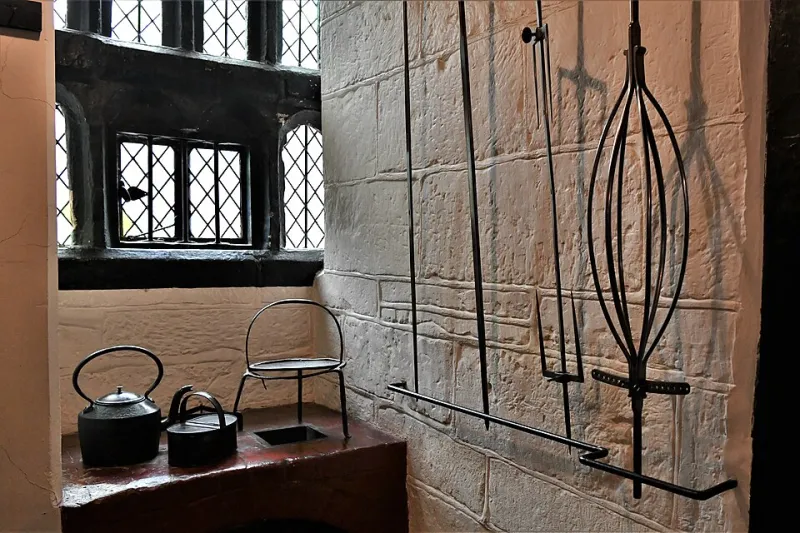
Photo: Michael Garlick , CC BY-SA 2.0, via Wikimedia Commons
Every hall kitchen starts life with the same holy trinity: a burbling urn, a stack of slightly sticky trays and a cupboard of mugs donated by people who have since moved to Devon. And every committee, sooner or later, gets the same hopeful question from a hirer: can we do the food ourselves?
In 2026, the honest answer is a warm yes — with conditions. A hall kitchen is a brilliant, underrated thing. It is also the part of the building most likely to cause a trustee a sleepless night, usually at 11pm on the Saturday, usually involving a fridge door that will not quite shut.
So here is a realistic guide to what your kitchen can genuinely deliver, and where it politely needs to hand over to someone with a van and a blast chiller.
First, the paperwork nobody puts on the bunting list
If food is being prepared or served as part of a business — a paid supper club, a catered wedding, a weekly café — somebody needs to be registered as a food business with the local council. Registration is free, cannot be refused, and should happen at least 28 days before trading starts.
The important bit for halls is who registers. A professional caterer registers their own business and brings their own paperwork; your hall is simply the venue. But if the hall itself is providing the food — a volunteer-run tea, a committee-cooked supper, a toast-and-cake package sold with the hire — then the hall may well be the food business, and the committee is on the hook.
Two things follow from that. First, your Food Hygiene Rating Scheme score becomes public, and hirers do check. Second, allergen information is not optional. The 14 named allergens must be communicated, in writing where food is sold, and the rules on prepacked-for-direct-sale items are stricter than a lot of volunteers realise. A laminated folder of ingredient sheets is not bureaucracy — it is the difference between a confident kitchen lead and a panicked phone call.
This is not legal advice, by the way. It is a nudge to ring your environmental health officer before the season starts, not after. They are, in our experience, far friendlier on the phone in February than on the doorstep in July.
What domestic kit does beautifully
Let us celebrate the good stuff first, because there is plenty of it.
A hall kitchen is superb at the long, slow, low-risk end of catering. Serving, plating, laying out a buffet, keeping tea moving for two hundred people, washing up in relays, chilling drinks, staging a cake, warming plates, filling jugs. It is the natural home of the sandwich platter, the traybake, the vat of soup, the bring-and-share spread, and the kind of supper club where the cooking happens at home and the hall does the hospitality.
It is also, crucially, a room — and that matters. A kitchen with a hatch and a bit of light is where volunteers gather, where the atmosphere of an event is quietly made, and where a nervous bride's mum gets a cup of tea and a chair. You cannot buy that in.
Where domestic kit quietly gives up
What a hall kitchen cannot do is cook for 120 people at once, hot-hold safely for three hours, or cool a stew down fast enough to be chilled overnight. A domestic oven that takes 25 minutes to recover between trays is not a commercial oven, whatever the badge says. A domestic fridge that runs at 7°C on a warm Saturday is not holding food safely, whatever the dial says.
Be honest about the three pinch points:
- Cold storage. A working rule of thumb is one reliable fridge per 30–40 buffet covers, and that is generous. If a hirer needs more, they hire a fridge trailer or a commercial unit — and you add it to the terms.
- Hot holding. Food held hot must stay above 63°C. That means proper hot cupboards or chafing dishes, not a warm oven and hope.
- Turnaround. One domestic dishwasher cannot service a 150-guest wedding and a Sunday market on the same weekend. Someone needs to know that before they sign.
The volunteer confidence question
A kitchen is only as good as the person leading it. We would argue — strongly — that every hall should have at least two volunteers with a current Level 2 food hygiene certificate (usually under £25 online, a couple of hours, genuinely useful) and one named kitchen lead per event, written into the booking sheet.
Confidence is contagious. So is the opposite. A simple, printed routine on the wall — temperatures, handwashing, what goes where, who to ring — does more for food safety than any amount of earnest briefing.
A simple prep checklist for the hirer
- Confirm who is the registered food business for this event, in writing.
- Swap allergen sheets and a named contact before the day.
- Check fridge and freezer temperatures on arrival and log them.
- Confirm the number of fridges, ovens and sinks available, and what is not included.
- Agree bin arrangements, including food waste.
- Confirm cleaning responsibilities and the checkout time.
- Ask for a certificate of public liability insurance from any outside caterer.
The money conversation trustees should have first
Before the next booking, settle these on paper:
- Is the kitchen included in the standard hire fee, or priced separately?
- Does the fee change if the hirer brings a caterer, or cooks from scratch?
- Who pays for gas, electricity and extra cleaning?
- What is the deposit, and what triggers a deduction?
- What is the policy on deep-fat frying, open flames and hog roasts?
- Are hirers allowed to store food overnight, and if so, where?
Answer those six questions and most kitchen disputes evaporate before they start.
The warm bit
None of this is meant to talk you out of hiring the kitchen. Quite the opposite. A hall kitchen that knows its limits is a quietly brilliant asset — the reason a supper club can run monthly, a wedding can feel homemade, and a grieving family can be given a proper sit-down tea without anyone needing a commercial licence.
Just buy the second fridge. And keep the signed sheet in the folder with the allergen lists. The urn, as ever, will look after itself.