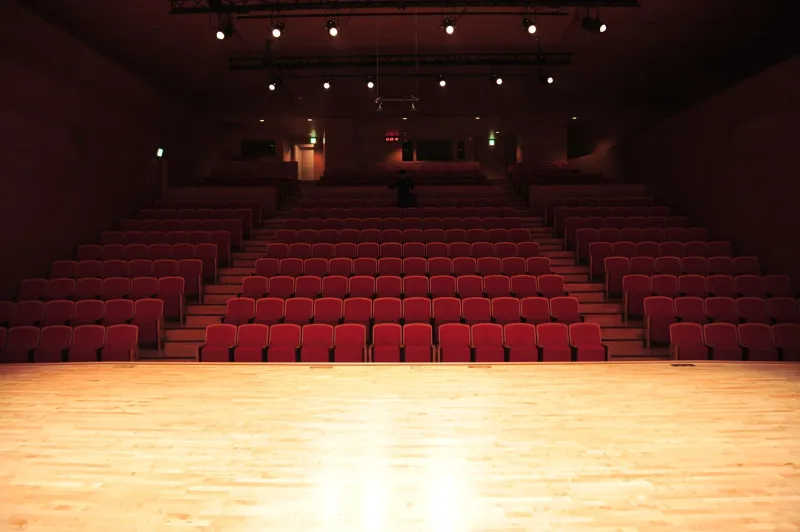
Daylight Rehearsals: The Quiet Booking That Fills Your Hall and Your Front Row

Photo: Basher Eyre , CC BY-SA 2.0, via Wikimedia Commons
Walk into most halls on a Wednesday at 2pm and you'll find the same thing: polished floor, stacked chairs, a kettle waiting for someone to switch it on. It's a lovely room. It's also empty. While evenings and weekends are fought over, the daylight hours often sit quiet — which is exactly why they're the perfect home for local rehearsals.
Bands, choirs, theatre groups and youth orchestras are always looking for somewhere affordable, regular and friendly. Your hall can be that place. And while the hire fee is welcome, the real prize is subtler: rehearsal groups become volunteers, advocates and an audience that already knows the way to your front door.
Start with the room, not the rate
Before you advertise a weekday rehearsal slot, spend an afternoon in the hall listening to it. Which rooms echo? Where do the floorboards creak? Can you hear the road, or the neighbour's dog? A choir will need space to stand in a semicircle; a band will want a corner that doesn't send the drums straight through the wall. A theatre group needs somewhere to leave a set without tripping the fire risk assessment.
Be honest about what you can offer. A small back room with a piano is gold to a singing teacher. A main hall with a high ceiling suits brass. Don't promise a full backline if you haven't got the sockets. Offer a trial booking — one afternoon, one group — and see how the room behaves.
The noise question, answered plainly
Drums are loud. So are trumpets, amplified guitars and a full company belting out a finale. The trick isn't to ban noise; it's to agree the shape of it. Set clear time windows: rehearsals between 10am and 5pm on weekdays, for example, when most neighbours are at work or school. Ask groups to keep doors and windows closed during amplified sections. A simple decibel meter is useful, but plain English works better: "If we can hear it across the road with the windows shut, it's too loud."
For drummers, suggest electronic kits or practice pads for the first hour. For choirs, choose the room furthest from the boundary. And talk to the neighbours before the first booking, not after the first complaint. A short note through the door — "Local band rehearsing Wednesdays 2–4pm, call the hall if it's ever a problem" — buys more goodwill than any policy.
Storage that doesn't swallow the hall
Rehearsal groups bring stuff: music stands, amps, a cello, a box of costumes, a precarious drum kit. If you're not careful, the hall starts to look like a lost property cupboard. Decide early what can stay and what must go home. A lockable cupboard or a marked floor area is fine for regulars, but charge a small storage fee and review it each term. Breakables and cymbals should travel with the owner. Keep fire exits clear, and never let a drum kit live under the stage curtains.
A labelled shelf for each group works wonders. So does a rule: anything left out after the booking gets moved to the "lost" corner, and anything there after a month goes to the charity shop.
Insurance and paperwork without the headache
Check your hall's insurance policy covers rehearsal hire — some standard policies exclude amplified music or groups with under-18s. Ask regular hirers to provide their own public liability insurance, usually £5 million cover, and keep a copy on file. It's a five-minute email and it protects everyone.
Safeguarding matters too. If a youth theatre or children's choir uses the hall, ask for their safeguarding policy and confirm who their designated lead is. The hall should have its own safeguarding lead named on the noticeboard. For groups working regularly with under-18s, expect DBS checks for the adults in charge — not because you suspect anyone, but because it's the sensible baseline in 2026.
A simple hire agreement that everyone understands
You don't need a legal tome. A one-page agreement works if it covers the basics:
- booking times, including set-up and pack-down
- which rooms are included, and which are off-limits
- the fee, deposit and cancellation terms
- noise curfew and behaviour expectations
- cleaning and rubbish removal
- key collection and return
- a clear statement that rehearsals are private, not public performances
- insurance and safeguarding requirements
Keep a signed copy for each group, and review it once a year. If a group becomes a regular, offer them a termly licence — it's less admin for you and a fairer deal for them.
The volunteer pool you didn't know you had
Here's the bit that often gets missed. A rehearsal group isn't just a hirer. It's a roomful of people who already like your hall. The drummer's dad might fix the broken latch. The choir might sing at the Christmas fair. The theatre group will happily paint a backdrop in exchange for free storage. Parents waiting in the car park become the people who run the tombola.
Make them feel part of the place. Put the kettle on. Show them where the mugs live. Add them to the volunteers' WhatsApp group. You'll be surprised how quickly a Wednesday afternoon booking turns into a Saturday working party.
From rehearsal room to front row
And then there's the audience. A group that rehearses in your hall will bring friends and family to its next performance — and if that performance is in your hall, even better. Offer a low-cost "work in progress" night, a winter concert or a summer open rehearsal. The theatre group's final dress rehearsal can be a £5-a-ticket fundraiser. The choir's spring programme can fill a Sunday afternoon.
You're not just renting a room. You're growing a relationship that puts bums on seats when the lights go up. So next time the hall sits empty on a Wednesday, don't reach for the hoover. Reach for the noticeboard. Somewhere out there, a band is looking for a home.